Something is shifting in Downtown Albuquerque. Or, at least trying to.
After decades of neglect, speculation, and missed opportunities, a different story is beginning to emerge; one marked by forward motion, fresh investment, and signs of daily life returning to the city’s core.
Vacancy Fee Nudges a Long-Stalled Building Into Action
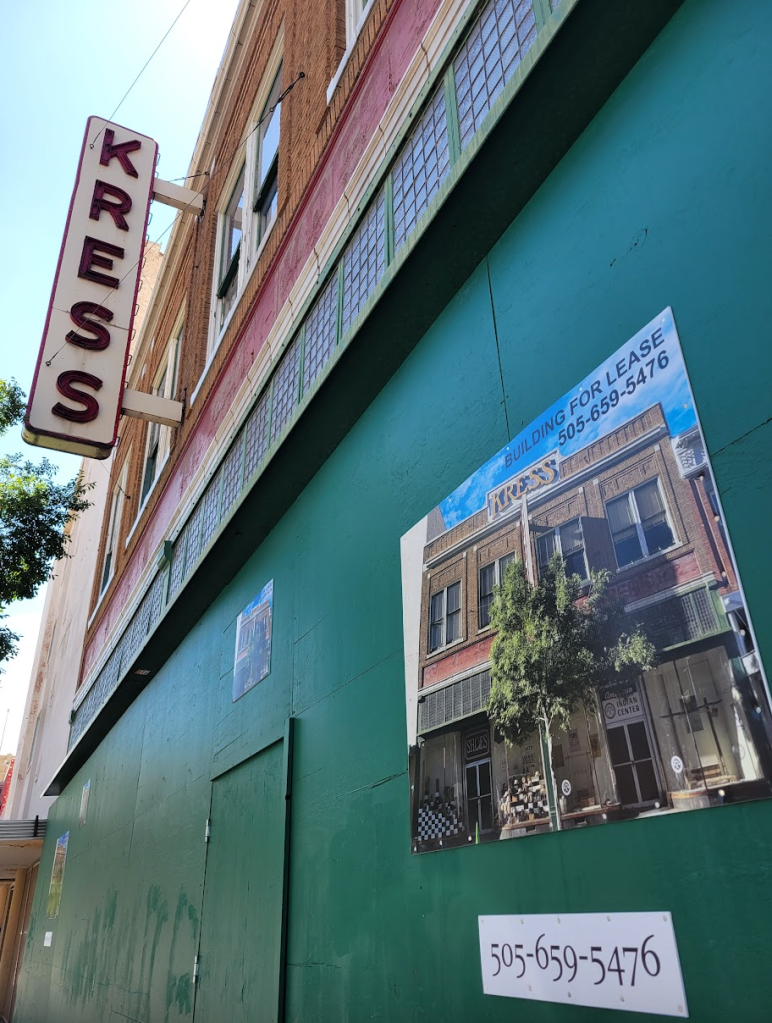
Earlier this year, the City of Albuquerque began enforcing its long-awaited Downtown Vacancy Fee Ordinance, aimed at discouraging property owners from sitting on empty, underutilized buildings. It’s still early, but there are signs that the policy is working.
The Kress Building, long dormant and symbolic of downtown stagnation, now has a “for lease” sign. That shift came after the building’s owners—who had been vocally opposed to the vacancy fee, as documented by Downtown Albuquerque News in May—became subject to it1. That response may seem minor, but it offers something Downtown hasn’t had in a long time: proof of movement.
Of course, the ordinance has limits. It was watered down from its original proposal, allowing owners to avoid fees by occupying just 30% of a building’s ground floor—even if the rest remains vacant. But even with a narrow scope, it has shown that policy can create pressure, and pressure can lead to change. That kind of early success deserves attention. The city has a policy tool showing real signs of progress, and now is the time to build on it. As written, the ordinance only looks at ground-floor commercial space, and even then, a building can meet the requirement with just 30 percent of that space in use. Upper floors remain untouched by the rules, even when they sit for decades. The same goes for surface parking lots, which often take up large parcels of land in the center of Downtown while contributing nothing to daily life or long-term value.
These unused spaces hold back surrounding blocks and slow down momentum. Expanding the vacancy fee to cover the full footprint of buildings, including upper levels, and applying it to idle parking lots would raise the bar. Property owners would be encouraged to participate in the city’s future, not just wait for someone else to invest first..
New Momentum for Housing and Mixed-Use
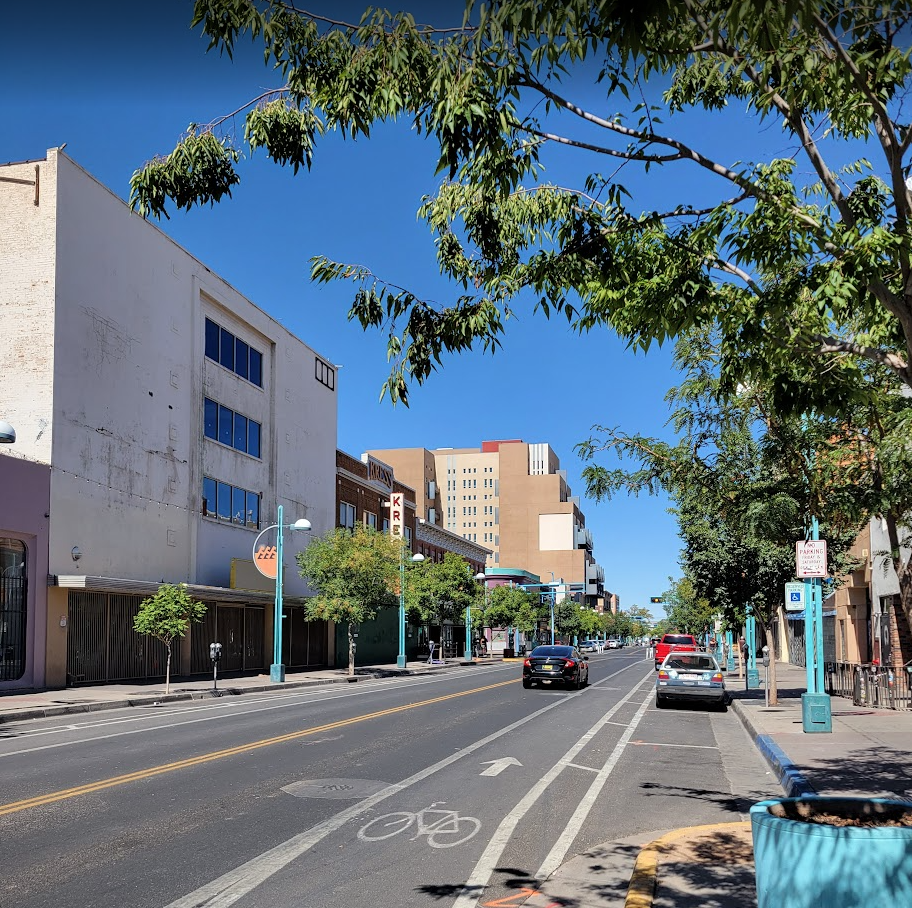
Next door to the Kress, another long-stuck property is finally moving forward. The Gizmo Building, Albuquerque’s old JC Penney, which had been largely inactive for years, has received funding approval from the City to support a new housing project. The Wells Fargo Tower at 2nd and Lomas and the Romero Building in Barelas have been approved for similar funding, with affordability requirements included2.
These projects promise more than just construction jobs or ribbon cuttings. They’ll bring new neighbors, activate street-level spaces, and expand the population base needed to support Downtown commerce and culture. Housing is how we build community and safety, and these buildings can help breathe life back into places that have felt hollow for too long.
Still, not all recent approvals were clearly understood. Several speakers at the August 4th City Council meeting voiced concern about a $277 million industrial revenue bond package aimed at jumpstarting new development in the Sawmill District, including a hotel, apartments, and an extended-stay property. Among them was mayoral candidate Alex Uballez, who urged the city to show the same level of urgency for undocumented immigrants as it does for developers. It’s a powerful appeal (and one worth listening to, we need to protect our neighbors!). But it also reflects a common confusion: industrial revenue bonds are loans, not giveaways3. They’re paid back, often with favorable interest rates, and involve no direct expenditure of taxpayer money while making these impactful projects possible.
Councilor Klarissa Peña stepped in to clarify that the public shouldn’t confuse these bonds with affordable housing subsidies, which follow a different process and funding stream.
This distinction is important. Projects in Sawmill, while not deeply affordable, will expand housing options for higher-income residents which can help relieve pressure on the rest of the housing market. Albuquerque needs deeply affordable homes, but we also need market-rate housing for young professionals, families, and workers at every income level. Most residents already live in market-rate homes, including renters and homeowners alike. Building more of them keeps prices stable and ensures newcomers aren’t forced to outbid longtime residents.
The Sawmill investments also contribute to a broader vision of mixed-income neighborhoods: places where people from different backgrounds can share parks, schools, and sidewalks. These neighborhoods are stronger, healthier, and more socially resilient4. They offer better access to services and economic opportunity5. Children raised in them do better. The research is clear, and the opportunity is right in front of us.
That’s why projects like the Downtowner matter so much. This long-awaited development near Alvarado Transportation Center would bring compact, workforce-friendly units to one of the last remaining empty lots in the southeast corner of the Core. It’s been promised for years, but delays from the Mayor’s office, COVID Pandemic, and other issues, including economic volatility, have stalled it again. There’s no good reason for that. The project is shovel-ready and fills a critical housing gap. If the city wants to prove it’s serious about a vibrant Downtown, getting the Downtowner built should be non-negotiable. The Mayor should pay attention because Councilor Baca could use some support—especially if the Mayor expects us to give him a third term.
Scooters, Joy, and the Fight for People-Friendly Streets
Beyond housing, something else is quietly transforming Downtown: people are spending time there again—and enjoying it.
The return of micromobility, especially e-scooters, has brought a sense of play and possibility back to the streets. Since their reintroduction a year ago, scooters have become a common sight along Central Avenue, on Civic Plaza, and in surrounding neighborhoods. They’ve made it easier to run errands, meet friends, or simply move through the city without a car.
But that progress is under pressure. Spin, one of the main scooter providers, has announced it’s leaving Albuquerque due to competition from Lime and Beam. At the same time, concerns about improper parking, sidewalk riding, and general scooter etiquette have fueled calls for stricter regulations or outright bans in certain areas.
Civic Plaza, for example, has become a no-ride zone for scooters. This has made the space quieter—but also emptier. In trying to eliminate friction, the city may have eliminated one of the few things that brought life to the space in the first place.
An April letter to the editor in Downtown Albuquerque News by resident Carlos Michelen6 captured the issue well:
“I love the new scooters. Few things have given me more hope for Albuquerque’s future than seeing people from all walks of life using them to get around. They’ve made it easier for me to run errands, grab groceries, or just move through Downtown without relying on a car.”
He goes on:
“Are there issues? Of course. But when I see a scooter blocking the sidewalk, I don’t think we need more enforcement—I think we need wider sidewalks. When someone rides on the sidewalk, I don’t blame them. I blame the street that made them feel unsafe.”
That framing helps shift the conversation. Rather than cracking down harder, we could start by asking better questions. What if the issue isn’t that people are misusing scooters, but that the city hasn’t made it clear where, or how, to use them safely?
Solutions aren’t hard to find. We could dedicate one on-street parking space per block to scooters and bike-share (and even use them to day-light intersections). We could add signage and striping to reduce sidewalk clutter. We could encourage shared use, not just car use. And we could recognize that frustrations around scooters often reflect something deeper: our public space has been designed almost entirely around cars, and anything that disrupts that arrangement feels disruptive—even if it’s working.
Cities like Phoenix are already doing this. In Downtown Phoenix, designated scooter and bike parking areas are clearly marked with paint and signage—taking up less space than a single car space, but serving ten or more riders. It’s a small shift in how we use the sidewalk or parking spaces, but one that invites more people to participate in city life without needing a car. We could do the same here.
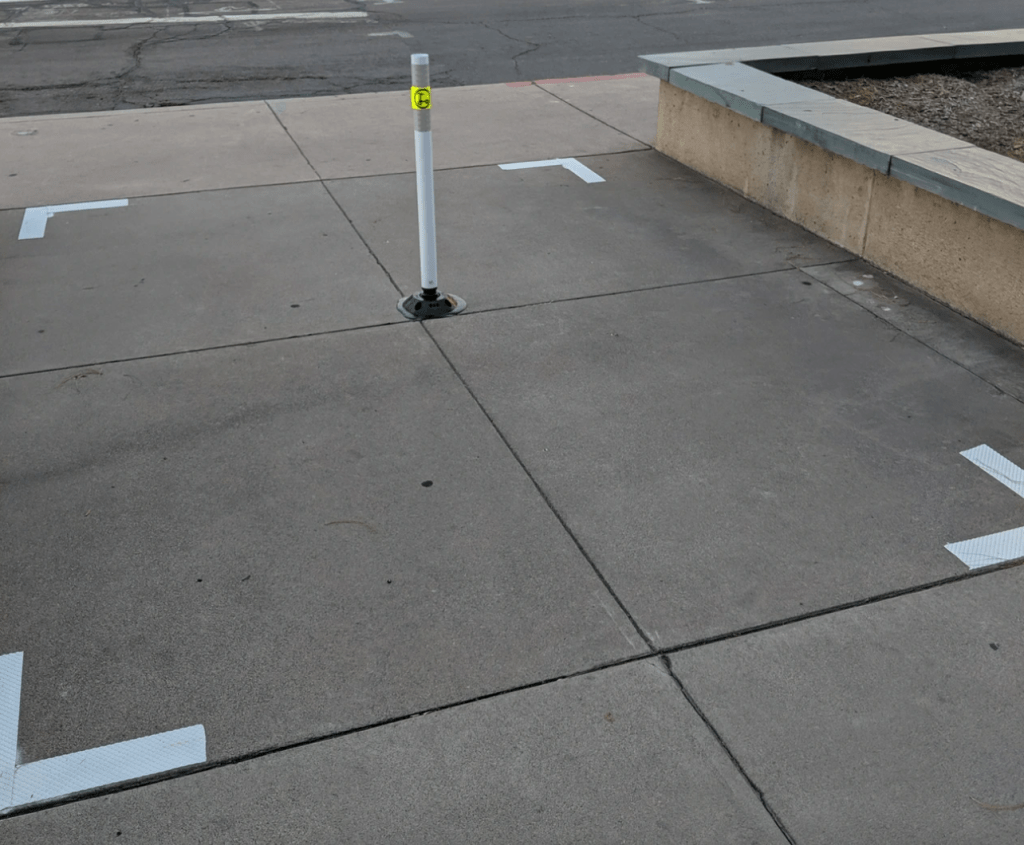
We could also add striping to reduce sidewalk clutter, preserve access to popular destinations like Civic Plaza, and provide better visual cues for riders and pedestrians alike. There’s no need to reinvent the wheel—other Southwestern cities are figuring this out. We can too.
As Michelen put it:
“Downtown doesn’t need more cars. It needs more people.”
And that’s the direction we’re headed. Scooters are part of that shift. So are wide sidewalks, safe crosswalks, better lighting, and denser housing. All of these pieces work together. We don’t need to choose between joy and order. We just need to be thoughtful about how we make space for both.
A Downtown Turning the Corner
Downtown Albuquerque still faces big challenges. Many buildings remain empty, storefronts struggle, and decades of bad policy don’t reverse themselves overnight. But the last few months have shown something we haven’t seen in a long time: traction.
The vacancy fee is nudging speculators off the sidelines, key housing projects are moving forward, and residents are choosing scooters, not just cars. And people are lingering, not just passing through.
That’s the beginning of something better. The question now is whether our leaders will keep it going or let it stall again.
Downtown deserves a future. Let’s build it.
- Downtown Albuquerque News, 5/12/2025, Owner of prominent Downtown building is unhappy with one-two punch anti-vacancy campaign ↩︎
- Albuquerque Journal, 8/7/2025, https://www.abqjournal.com/news/article_5cf002f6-3628-4003-b32c-2718d3d87f9c.html#tncms-source=home-featured-7-block ↩︎
- https://www.instagram.com/reel/DLAYCc5uh0p/?igsh=eW83MGVud2txZnB6 ↩︎
- https://housingmatters.urban.org/research-summary/mixed-incomes-anticipated-and-realized-benefits ↩︎
- https://cityobservatory.org/why-mixed-income-neighborhoods-matter-lifting-kids-out-of-poverty/ ↩︎
- Downtown Albuquerque News, 4/7/2012, LTE: Escooters are part of the solution ↩︎
 Reimagining Albuquerque
Leave a comment