Weaponizing Equity: How Misusing Progressive Language Reinforces Housing Scarcity in Albuquerque
Across Albuquerque, a familiar refrain echoes through neighborhood meetings and Nextdoor threads: “We’re not NIMBYs — we just want to protect our community.”
Beneath the language of community care and equity lies a contradiction. In a recent post circulated on Nextdoor, one resident accused Mayor Keller and Councilor Fiebelkorn of “weaponizing” the term NIMBY, calling it a “neoliberal slur.” Yet, in the same breath, he defended single-family zoning, opposed duplexes and apartments, and dismissed younger and lower-income residents asking for change as outsiders.
That’s not a defense of community — it’s the definition of NIMBYism, cloaked in progressive language.
The Myth of the “Affordable Single-Family Home”
The post romanticizes single-family homes as the foundation of stability for Hispanic and Indigenous families. But in Albuquerque today, detached single-family homes are luxury products.
The median home price has passed $340,000, and new single-family construction routinely starts above $400,000. Meanwhile, starter homes under $250,000 — the kind families once bought — are nearly extinct.
Restricting land to one home per lot doesn’t protect affordability; it ensures scarcity, driving prices higher for everyone. The homes these residents defend are only “affordable” because they were bought decades ago under radically different conditions — low interest rates, cheap land, and minimal competition from institutional buyers.
Excluding Duplexes and Townhomes Is Gentrification
The writer warns that allowing duplexes and apartments would “bring in wealthy developers” and “gentrify” historic neighborhoods. In reality, exclusionary zoning is the mechanism of gentrification.
When you outlaw apartments, duplexes, and townhomes, you make it impossible for working- and middle-class residents to live in areas near jobs and transit. That forces them into disinvested neighborhoods — which then become targets for speculation and displacement.
By contrast, cities that have legalized small-scale density (Minneapolis, Portland, Houston) have stabilized prices and slowed displacement, because new supply relieves pressure on older homes. In Austin, prices have even decreased. The true cause of gentrification isn’t new housing — it’s too little housing.
Property Taxes Don’t Work the Way They Claim
The post implies that new development will “price people out” through rising property taxes. But in New Mexico, that argument simply doesn’t hold up.
- Property tax valuations are capped: homes can only increase in taxable value by 3% per year, regardless of what nearby houses sell for.
- Longtime owners aren’t re-assessed based on market sales in their neighborhood. They are only assessed on their property.
- Seniors can qualify for frozen property tax valuations, meaning their taxes stay constant.
So the “tax displacement” narrative is a myth. What does happen is that new buyers, especially younger and less wealthy residents, face the full market rate, subsidizing older homeowners whose property values have skyrocketed. Now, those younger and less wealthy residents are holding leaders accountable – including neighborhood leaders who stand in the way of repairing Albuquerque’s housing market.
The Real Speculators Aren’t Duplex Builders
It’s not “wealthy developers” buying up homes to replace them with duplexes. It’s institutional investors and cash buyers treating homes as assets, not shelter.
And why are they doing that? Because single-family zoning makes housing artificially scarce by limiting where people can live and what can be built. That scarcity attracts speculation, and speculation drives up prices.
Legalizing modest density spreads opportunity and reduces pressure. In other words, more homes means less speculation.
Generational Wealth and the Politics of “Staying Put“
The post laments that residents who sell are “losing their livelihoods.” But that framing denies those same residents agency and dignity.
When an elderly homeowner sells their home at a markup to retire comfortably, that’s not betrayal but it is success. It’s the very generational wealth that so many communities of color have been systematically denied.
Expecting those families to stay in place to preserve a neighborhood’s “character” perpetuates a racialized version of nostalgia — one where poor or brown families are allowed to exist only as symbols of authenticity, not as people with the right to mobility, choice, or prosperity.
“Community Input” as a Weapon Against Change
The post insists that zoning reforms “don’t allow comment or input from residents.” In reality, these reforms have gone through years of hearings, meetings, and workshops. What this complaint really signals is frustration that their voices no longer carry unilateral veto power.
But even more troubling is how this rhetoric morphs into a hierarchy of authenticity where only those defending the status quo are recognized as “real” community members. We’ve seen this pattern again and again across Albuquerque.
At a recent Environmental Planning Commission meeting, a representative of the Taylor Ranch Neighborhood Association dismissed testimony in favor of the IDO Amendments by saying, “The only positive comments came from Strong Towns people, not from community members.” It was a telling phrase implying that anyone who supports change, no matter where they live in the city, is somehow less legitimate.
The same dynamic plays out on the Instagram page Protect and Preserve Barelas, which routinely attacks Bareleñ@s who support compact housing, taller buildings, or mixed-use development — accusing them of selling out or being manipulated by developers.
In each case, “community” is not a shared geography or a set of values, but a membership test: you belong only if you oppose reform.
This pattern is the rhetorical backbone of local NIMBYism, claiming the moral weight of representation while excluding those most affected by scarcity, displacement, and the lack of housing choice.
At the stame planning commission meeting, a newly elected member of the Barelas Neighborhood Association expressed support for “density, but only on empty lots.” She criticized a three-story, six-unit building on Iron Street as “luxury” and said such structures “threaten single-family homes.”
Her feelings reflect genuine anxiety about neighborhood change but they also reveal a policy contradiction. The best way to preserve affordability and character is to absorb new residents through incremental density. Those apartments, even at market rate, rent for about the same or less than nearby mortgage payments, especially when factoring in down payments and maintenance costs.
Meanwhile, Barelas faces no restrictions on single-family replacements that are far more extravagant. As the neighborhood’s popularity grows, it’s these by-right luxury rebuilds, not small multi-unit projects, that will drive larger displacement pressures.
If the goal is to keep Barelas accessible and authentic, the answer isn’t to freeze it in time, but to welcome new homes that share its values: compact, connected, and community-oriented. When debates about housing fixate on style rather than substance, we risk preserving façades while erasing the very communities they once reflected. Albuquerque’s neighborhoods don’t need to be museum pieces but they do need to be places where people can still afford to live.
Both Country Club (Huning Castle) and Barelas rely on Character Protection Overlays (CPOs) to preserve their architectural integrity. In theory, these overlays ensure that new homes or additions “fit” their surroundings. In practice, however, the system does little to protect what matters and sometimes accelerates exactly what residents fear.
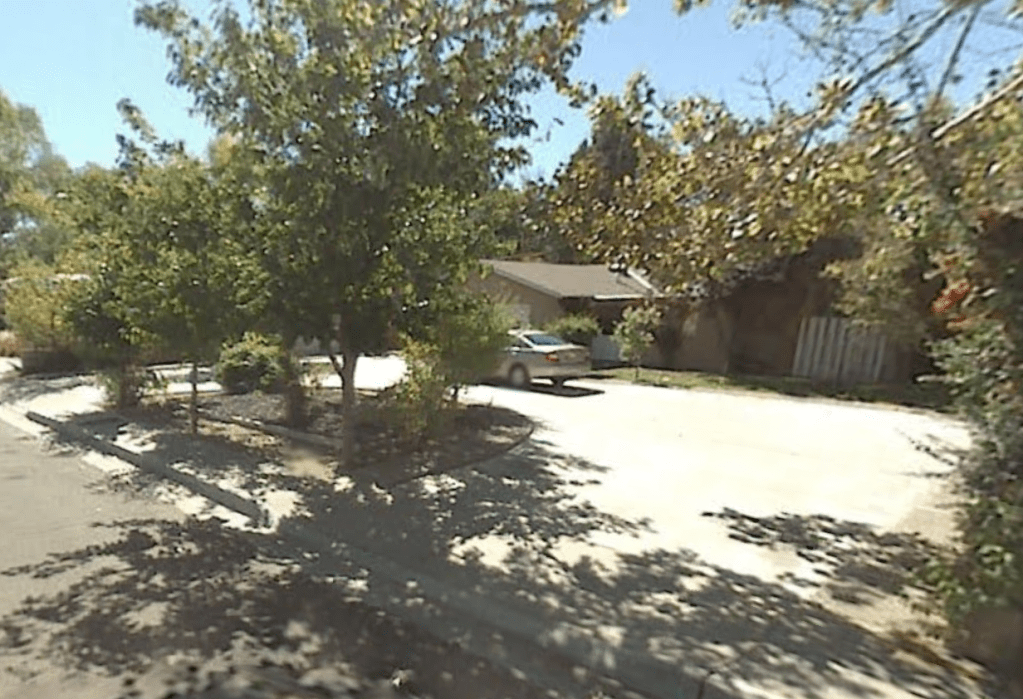
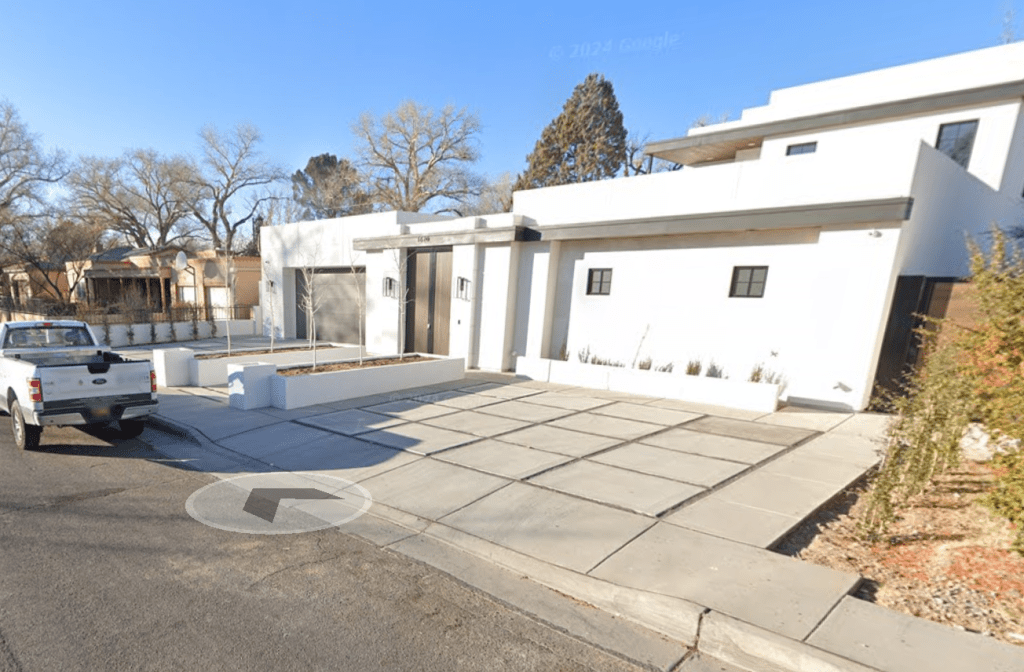
While CPOs may influence materials, rooflines, or façades, they cannot regulate ownership type, affordability, or land value. The result is that modest homes are demolished and replaced by expensive replicas that “fit the character” but not the community. The very aesthetic rules meant to preserve identity often raise design costs and reinforce exclusivity, ensuring only wealthier builders can participate. As seen in the images above, zoning, CPOs, and other regulations often made with good intention fail to accomplish stated goals. The status-quo allows this and prohibitions on housing types simply intensifies pressure on appealing neighborhoods.
Even within formally listed historic areas, NEPA and federal preservation standards make clear that new construction is acceptable, even contemporary in style, as long as it “pays homage” to the form and rhythm of the streetscape. That’s a flexible and often subjective guideline, allowing for a range of interpretations that many residents find hard to swallow. In other words, the law already accepts that cities evolve.
CPOs, however, have become a political tool to resist that evolution not through preservation, but through procedural obstruction and aesthetic anxiety. They offer the illusion of protection while diverting attention from what truly defines a neighborhood’s character: its people, its affordability, and its sense of welcome. When we consider, too, that these systems allow single family homes free reign while even a simple multiplex is confronted with design standards, extreme controls, and intensive input for potential zone changes, it is hard to avoid the simple fact that CPOs and HPOs serve an anti-renter, racist, rent-seeking constituency.
The Real Progressive Vision
Progressivism isn’t about freezing cities in place. It’s about expanding access, dignity, and opportunity.
When we legalize density, we create space for multigenerational living, reduce segregation, and give young families a chance to stay in Albuquerque. Protecting the “right” to single-family exclusivity isn’t social justice it’s structural privilege. And with that, it is racist, classist, and harmful.
If we care about equity, we have to build for it. And that means, paradoxically, returning to organic urban forms that existed for centuries before zoning was imposed on our society to maintain white supremacy.
The tragedy of Albuquerque’s housing debate isn’t that people disagree but that some still think stability can come from exclusion. Real stability comes from abundance, from giving people choices, and from reimagining what “community” means in a growing, diverse city.
Calling something NIMBYism isn’t an insult; it’s a description and the sooner we stop mistaking comfort for justice, the sooner Albuquerque can start building a city where everyone belongs.
In a fitting twist, the same author has now taken to Nextdoor claiming that Mayor Keller and Councilor Fiebelkorn are personally responsible for his posts being removed. It’s a familiar move in these debates: when your ideas don’t hold up, claim you’re being silenced. But the truth is simpler: platforms moderate misinformation, and city leaders don’t have a secret task force deleting neighborhood gossip.
This cycle of outrage and imagined persecution keeps local politics stuck in grievance instead of progress. The irony, of course, is that the loudest voices claiming to be “silenced” are still the ones dominating the conversation while those pushing for housing abundance, inclusion, and reform are told they aren’t real community members at all.
Those who claim they “aren’t being heard” have, for decades, been the only ones heard. They’ve shaped policy, stalled reform, and spoken over anyone without the time, title, or tenure to attend every public meeting.
In truth, the problem isn’t that they’ve been silenced: it’s that they’ve never stopped talking.

 Reimagining Albuquerque
Leave a reply to Carlos Cancel reply